
- Transmission problems can range from slipping gears and delayed shifting to overheating and fluid leaks, each with distinct warning signs.
- Both automatic and manual transmissions have unique issues; CVT and dual‑clutch systems also present specialized problems.
- Regular maintenance, including checking and changing transmission fluid, is essential to prevent costly repairs.
- Early detection of symptoms like strange noises, burning smells, or dashboard warnings can save time and money.
- Some minor issues can be addressed at home, such as refilling fluid, tightening mounts, or replacing accessible filters.
- Aggressive driving, overloading, and extreme conditions increase the risk of transmission failure.
- Professional inspection is crucial for severe or persistent problems to ensure safe and effective repairs
Transmission problems can turn a smooth ride into a stressful experience. As a critical component that transmits power from your engine to your wheels, the transmission plays a major role in how your vehicle drives. Yet, many car owners don’t fully understand the range of transmission issues that can arise, their warning signs, and what actions to take. This guide helps you identify various transmission problems — from common symptoms to simple maintenance tips and even fixes you can try at home.
By the end of this article, you’ll be equipped to recognize potential transmission trouble early, decide when to seek professional help, and learn a few inexpensive ways to address minor issues on your own. Let’s dive in.
What Is a Car Transmission and Why It Matters
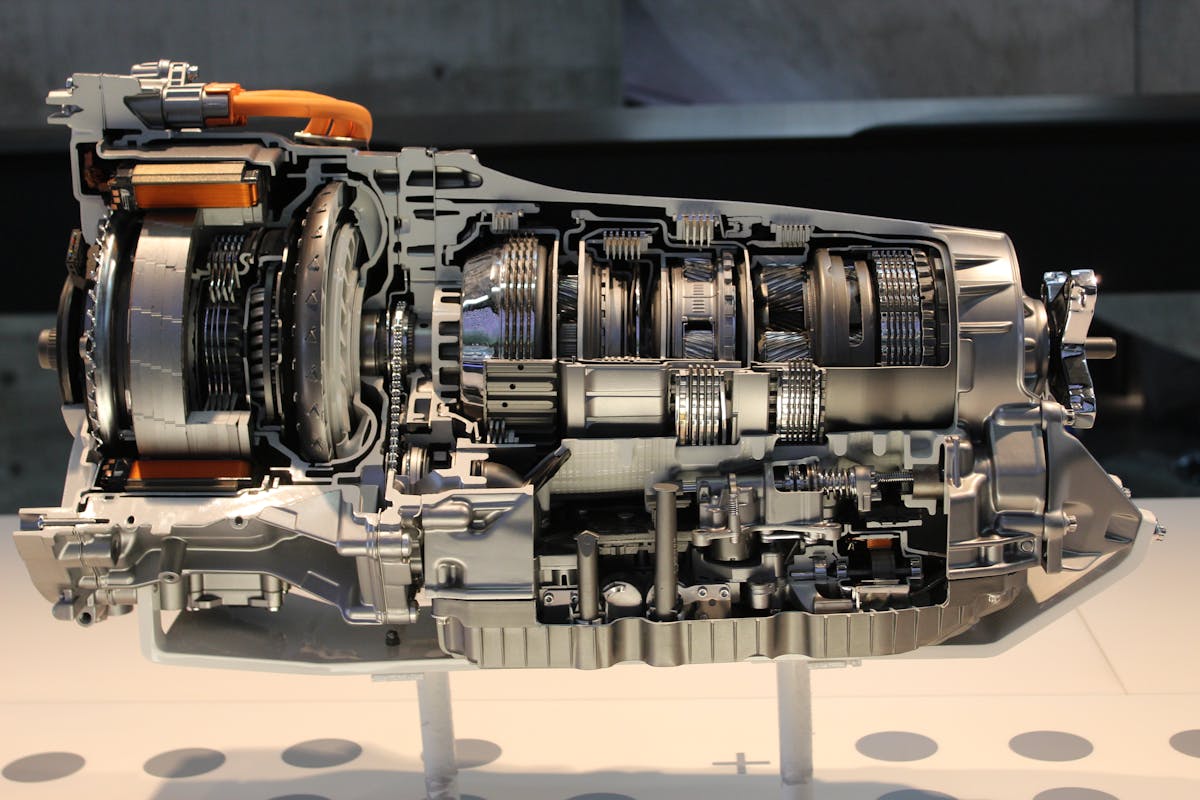
It’s important for every driver to understand the fundamentals of a car’s transmission. Simply put, the transmission transfers the engine’s power to the wheels, enabling the vehicle to shift gears smoothly and perform efficiently at various speeds. Cars can be equipped with automatic, manual, or CVT (continuously variable) transmissions, each featuring a unique design and associated potential issues.
When transmission issues arise, performance suffers, and other components can be affected — from the engine to the drivetrain. Early detection and proper maintenance can significantly reduce repair costs and extend the life of your vehicle. Below, we’ll explore different categories of transmission problems that often trouble car owners.
Common Transmission Problems Explained
Transmission failure doesn’t usually happen overnight. Most issues begin subtly and get worse over time. Understanding the most common types of transmission problems helps you catch trouble before it becomes costly.
Slipping Gears
When your car slips out of gear or shifts unevenly, this is often called gear slipping. You might notice your car unexpectedly changing speed or the engine revving higher without acceleration.
- Gear slipping can be caused by worn clutches or bands.
- Low or old transmission fluid may also be to blame.
- Signs include jerking movements during acceleration.
Delayed or Harsh Shifting
Shifting should feel smooth and predictable. If you experience harsh transitions between gears or long pauses before gear engagement, this is a sign of trouble.
- Often linked to low or contaminated fluid.
- Could indicate internal wear in the valve body.
- Sensors and electrical issues play a role in automatic systems.
Transmission Overheating
Overheating transmission fluid breaks down lubrication and can damage internal components. It’s a serious problem that needs prompt attention.
- Common symptoms: burning smell and dashboard warnings.
- Causes include heavy towing and poor fluid circulation.
- An overheated transmission may fail without cooling system checks.
Leaking Transmission Fluid
Transmission fluid is typically red or pink. If you notice puddles under your car, fluid leaks might be the cause.
- Leaks often occur from seals or gaskets.
- Lack of fluid leads to poor lubrication.
- Prompt fluid refilling can prevent severe damage.
Automatic vs. Manual Transmission Problems
While both systems serve the same purpose, the way they operate is different — and so are the problems they’re prone to.
Automatic Transmission Issues
Automatic transmissions rely on complex hydraulic and electronic systems. These systems control gear engagement without driver involvement.
- Torque converter failure: Causes shuddering and slipping.
- Valve body problems: Can lead to erratic shifting.
- Computer and sensor issues: Affect the timing of gear changes.
Manual Transmission Issues
Manual transmissions are mechanically simpler but require proper clutch operation. Drivers play a direct role in shifting gears.
- Clutch wear: Causes slipping or grinding.
- Linkage problems: Hard shifting or trouble engaging gears.
- Synchronizer wear: Grinding gears and difficulty matching speeds.
Transmission Problems in CVT and Dual‑Clutch Systems
Modern cars increasingly use advanced transmission types like CVTs and dual‑clutch systems. Each has unique advantages and specific problems.
CVT (Continuously Variable Transmission)
CVTs don’t use fixed gears, which can improve fuel efficiency and smoothness. But they also have unique failure points.
- Rubber belts or chains can wear out.
- Unusual noises during acceleration may occur.
- Fluid contamination accelerates wear.
Dual‑Clutch Transmission (DCT)
Dual‑clutch transmissions aim to combine manual control with automation. They offer fast, smooth shifts — when functioning correctly.
- Jerky or delayed shifts are common complaints.
- Heat buildup may wear components faster.
- Electronic control issues can disrupt operation.
Symptoms of Transmission Problems — What You Should Watch For
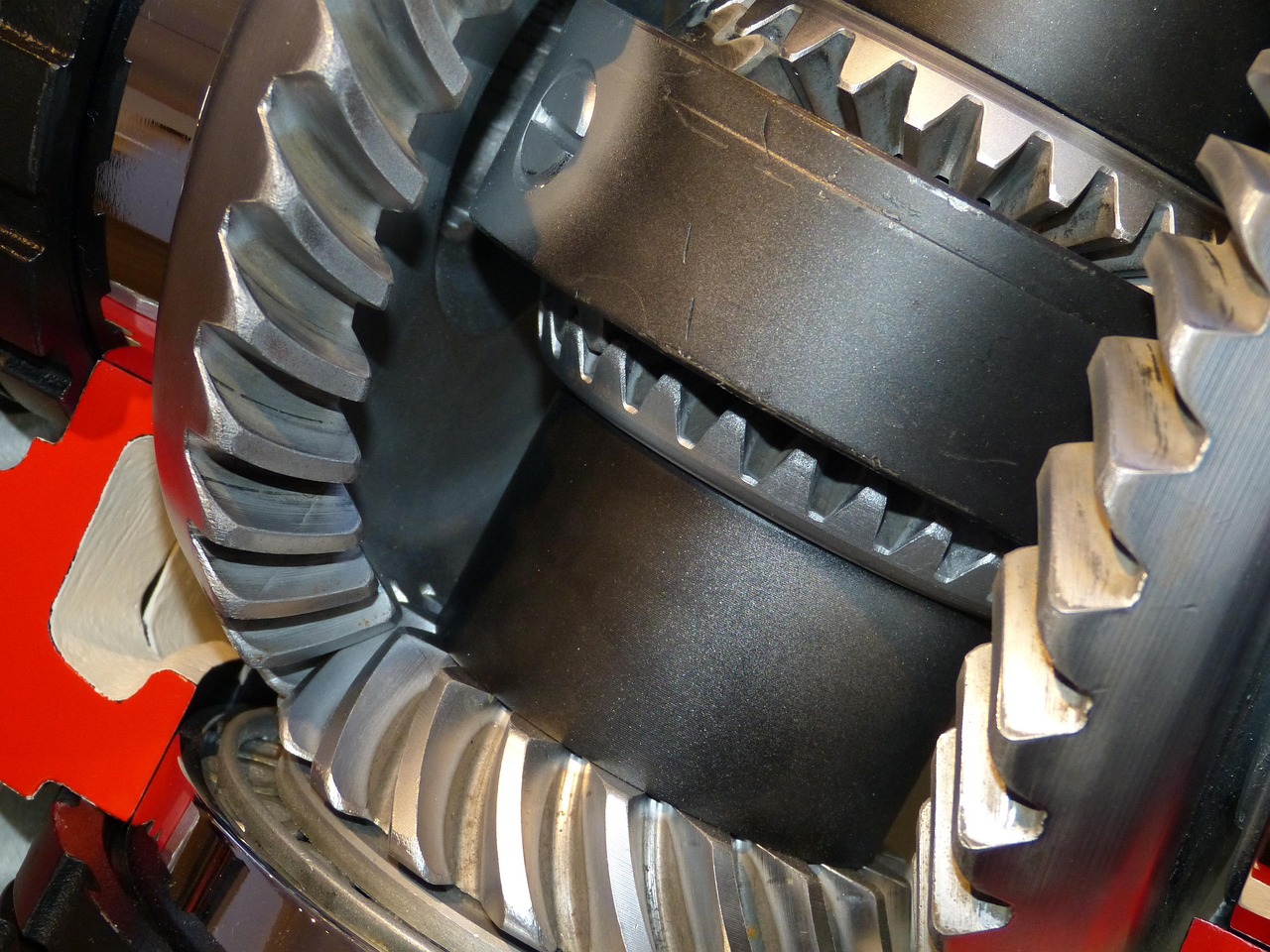
A big part of avoiding costly repairs is catching warning signs early. Here are symptoms that suggest transmission trouble.
Strange Noises When Shifting
Unusual noises like whining, clunking, or buzzing often signal internal problems. These sounds are especially concerning if they occur during gear changes.
- Whining may point to worn bearings.
- Clunking suggests gear engagement issues.
- Buzzing could come from fluid flow problems.
Burning Smell
A burning odor often indicates overheated or burning transmission fluid. If this smell lingers, get your fluid and cooling system checked right away.
- Heat breaks down fluid effectiveness.
- Contaminated oil accelerates wear.
- Persistent smell can mean internal damage.
Delayed Engagement
When you shift into drive or reverse, and the car hesitates before moving, it’s a red flag. This delay can mean fluid problems or internal wear.
- The fluid is low or deteriorated.
- Worn clutch plates in manual cars.
- Torque converter issues in automatics.
Warning Lights on the Dashboard
Modern cars detect transmission problems and may display warning messages or lights like the check engine light. Don’t ignore these alerts — they’re usually backed by stored diagnostic codes.
What Causes Transmission Problems?
Understanding underlying causes gives you a chance to prevent issues before they start. While some problems are due to wear and tear, others stem from neglect or improper use.
Lack of Maintenance
Regular transmission fluid checks and changes are just as important as engine oil changes. Skipping maintenance can lead to fluid contamination and worn components.
- Old fluid loses its lubrication properties.
- Contaminants create abrasion.
- Manufacturers recommend fluid changes at set intervals.
Extreme Driving Conditions
Frequent towing, stop‑and‑go traffic, and driving on steep hills all stress the transmission.
- Excessive heat buildup is common.
- Higher load increases wear.
- Cooling systems may struggle under strain.
Fluid Leaks
Leaking fluid results in low levels that hinder lubrication and cooling.
- Seals dry out over time.
- Gasket failure is common in older vehicles.
- Low fluid causes slippage and overheating.
Aggressive Driving
Fast starts, abrupt stops, and shifting incorrectly (in manual cars) put extra stress on the transmission.
- Rapid acceleration increases the torque load.
- Erratic shifting wears synchronizers.
- Hard driving shortens transmission life.
How Transmission Fluid Affects Performance
Transmission fluid doesn’t just lubricate — it also transfers power and cools moving parts. Healthy fluid maintains optimal pressure and protects metal surfaces from friction. Knowing healthy fluid characteristics helps you spot early problems.
- Color: New fluid is usually red or pink. Dark brown means contamination.
- Smell: Healthy fluid should not smell burnt. A burnt smell indicates overheating.
- Level: Fluid levels should be between the min and max markers on the dipstick.
Low or old fluid leads to slipping, delay in engagement, and overheating. Regular fluid checks (especially before long trips or heavy towing) ensure your transmission performs efficiently.
How Are Transmission Problems Diagnosed?
When you bring your car to a mechanic, they typically follow a process to diagnose transmission issues accurately.
- Visual Inspection
- Technicians check for leaks, damaged parts, and fluid condition.
- Fluid Analysis
- Checking fluid color, level, and contamination gives important clues.
- Diagnostic Trouble Codes (DTCs)
- Mechanics use a scanner to read codes stored in your vehicle’s computer.
- Test Drive
- This reveals real‑world shifting behavior and noise patterns.
- Pressure Tests
- Measuring hydraulic pressure can pinpoint internal failures.
After these steps, you receive a clear assessment of what’s wrong and what repairs are necessary.
Simple Fixes You Can Try at Home
Not all transmission issues require a mechanic immediately. Some simple steps can save you time and money — as long as symptoms are mild and you proceed cautiously.
Check and Refill Transmission Fluid
One of the easiest home checks is inspecting your transmission fluid.
- Park your car on level ground.
- With the engine warm, locate the transmission dipstick.
- Wipe it clean, reinsert, and check level/color.
- Add only manufacturer‑recommended fluid if levels are low.
Tighten Loose Transmission Components
Loose bolts on transmission mounts or linkage rods can cause irregular behavior.
- Visually inspect mounts and brackets.
- Tighten bolts with appropriate tools.
- Consult your vehicle manual for torque specs.
Replace a Dirty Filter
Some cars have accessible transmission filters that can be replaced without a mechanic.
- Check your owner’s manual for filter location.
- Purchase the correct filter and gasket.
- Drain fluid into a catch pan and replace the filter carefully.
Cooling System Check
Since overheating can damage your transmission, ensure the radiator and cooling fans function properly.
- Clean debris from the radiator surface.
- Replace damaged cooling hoses.
- Check coolant level regularly.
Reset the Transmission Control Module
In automatic cars, resetting the transmission module can sometimes fix minor glitches.
- Disconnect the battery for 15 minutes.
- Reconnect and start the vehicle.
- Drive gently to allow the system to relearn.
Note: These fixes are for mild cases. If symptoms worsen or don’t improve, professional inspection is recommended.
When to Seek Professional Help
Some issues are too complex or dangerous to fix at home. If you notice the following, take your car to a qualified technician:
- Severe transmission slipping
- Burning smell that persists
- Major fluid leaks
- Loud grinding or clunking noises
- Dashboard warnings that don’t disappear
Professional repair ensures accurate diagnosis, proper tools, and safe handling of complex parts. Delaying repairs can make problems worse and more expensive.
Preventive Measures to Avoid Transmission Problems
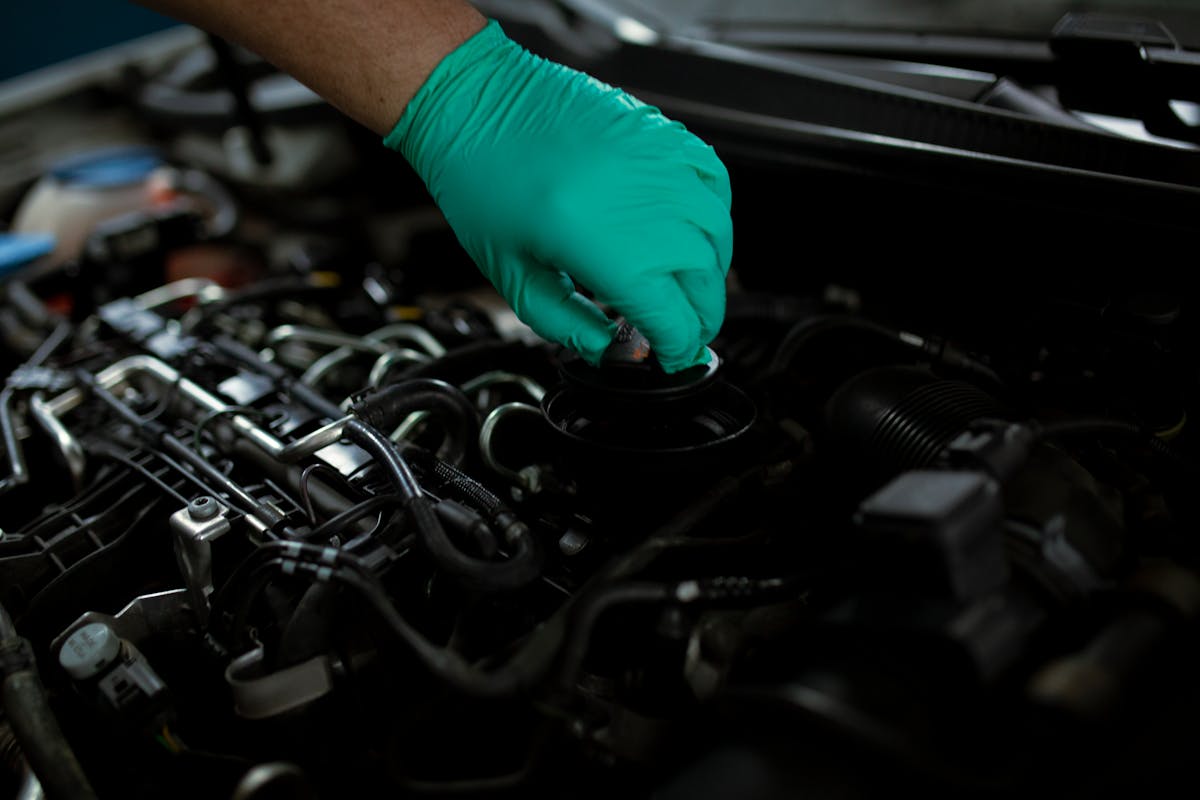
Want to extend your transmission’s life? Follow these proven preventive steps.
Regular Fluid Changes
Stick to your vehicle manufacturer’s recommended fluid change intervals. Using a car maintenance checklist can help ensure you don’t miss important tasks like fluid changes, filter replacements, and inspections. Following a car maintenance schedule by mileage or time also keeps your transmission healthy, reduces the risk of overheating, and extends the lifespan of your vehicle. Clean fluid equals better lubrication and cooler operation.
Mindful Driving
Avoid aggressive starts and stops. Especially in manual cars, shift gears smoothly to reduce stress on components.
Avoid Overloading
Towing beyond your vehicle’s capacity significantly increases transmission strain. Use a transmission cooler when towing heavy loads.
Monitor for Early Signs
Don’t ignore odd noises, smells, or performance changes. Catching issues early prevents greater damage later.
FAQs About Car Transmission Problems
How Long Does a Transmission Typically Last?
With proper maintenance, a transmission can last from 100,000 to 200,000 miles. Driving habits and service frequency play a big role.
Is It Safe to Drive With a Transmission Issue?
Minor issues may be safe for short trips, but significant symptoms — like slipping or overheating — deserve immediate attention to avoid further damage.
Can Low Transmission Fluid Cause Major Problems?
Yes. Low fluid levels reduce lubrication and cooling, leading to excessive friction and heat. This accelerates wear and can ultimately cause failure.
Final Thoughts
Understanding the different types of car transmission problems empowers you to take better care of your vehicle and avoid costly breakdowns. From identifying early warning signs to performing simple home checks and knowing when to call a mechanic, every car owner benefits from this knowledge.
Proactive maintenance, such as following a car maintenance checklist and adhering to a car maintenance schedule by mileage or time, goes a long way in preserving your transmission’s health. Regular inspections, timely fluid changes, and careful driving habits help prevent costly problems and ensure smoother, safer driving for years to come.