
- Regular car maintenance prevents costly repairs and extends vehicle lifespan.
- Monthly checks should focus on tires, lights, engine oil, and windshield wipers.
- Quarterly inspections include brakes, battery, air filters, and coolant systems.
- Annual maintenance covers oil changes, tire rotation, suspension, and the exhaust system.
- A personalized maintenance schedule improves safety and efficiency.
- Early detection of warning signs like unusual noises or dashboard alerts prevents breakdowns.
- Consistent upkeep preserves resale value and ensures reliable, worry-free driving.
Keeping your car in excellent condition does not require advanced mechanical skills, but it does require consistency. Many breakdowns and expensive repairs happen not because vehicles are poorly made, but because small issues go unnoticed and gradually become major problems. A well-planned maintenance routine gives car owners control over their vehicle’s safety, performance, and long-term value. By knowing what to check and when to check it, you reduce your risk of sudden failures and improve everyday driving reliability.
This guide walks you through a complete maintenance schedule divided into monthly, quarterly, and annual checks. Each section explains why certain components matter, what warning signs to look for, and which tasks you can safely perform on your own. Whether you drive daily or only on weekends, following a structured checklist ensures your car stays dependable, fuel-efficient, and road-ready all year round.
Why You Need a Car Maintenance Checklist
A car maintenance checklist acts as your personal roadmap for keeping your vehicle in peak condition. Many drivers rely solely on service reminders from dealerships or mechanics, but those schedules often focus on mileage rather than real-world wear and tear. Weather, road conditions, and driving habits can accelerate component deterioration, making routine self-checks essential. By following a checklist, you gain early awareness of developing problems before they disrupt your routine or compromise safety.
Beyond preventing breakdowns, a checklist helps maintain your car’s resale value. A well-documented maintenance routine shows potential buyers that your vehicle has been properly cared for. It also improves fuel efficiency, ensures smoother driving, and reduces unexpected repair costs. Over time, consistent checks can save thousands in repairs while giving you peace of mind every time you turn the key.
Key Benefits of Using a Checklist
- Reduces the risk of sudden breakdowns
- Improves safety for you and your passengers
- Enhances fuel economy and engine performance
- Preserves resale and trade-in value
Monthly Car Maintenance Checklist
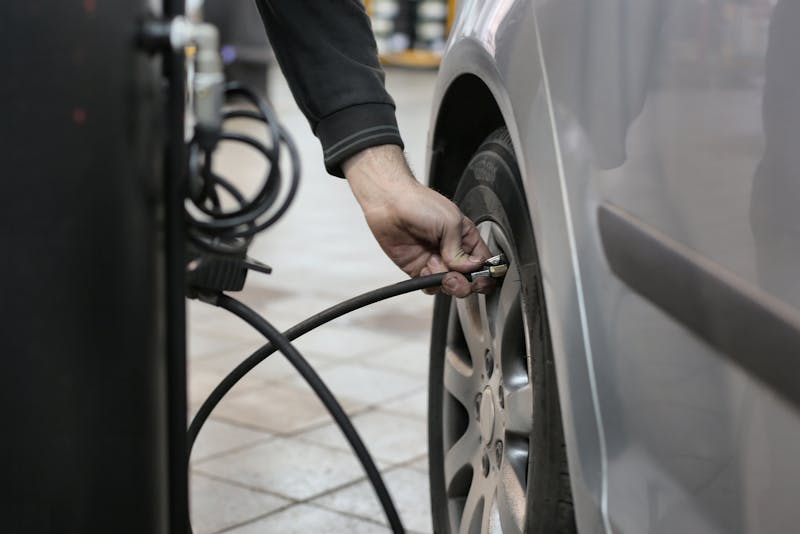
A monthly maintenance routine focuses on simple yet critical components that can change quickly with daily use. These checks are designed to be fast, accessible, and practical for any car owner, regardless of technical background. Fluids, lights, tires, and basic safety features often show signs of wear within weeks rather than months, making monthly inspections essential. By catching minor issues early, you prevent them from escalating into costly repairs.
Establishing a monthly habit also builds confidence in understanding your vehicle. Over time, you become more familiar with how your car normally looks, sounds, and feels. This awareness helps you notice unusual changes immediately. The goal is not to replace professional servicing, but to complement it by maintaining consistent oversight between workshop visits.
Tire Condition and Pressure
- Check tire pressure using a reliable gauge
- Inspect for uneven tread wear
- Look for visible cracks, bulges, or embedded debris
- Ensure valve caps are intact
Tires are the only part of your car that directly contacts the road, making their condition critical for safety and performance. Many drivers ask how long do tires last, but the answer depends on driving habits, road conditions, and maintenance. Performing these monthly checks helps extend tire life and ensures you replace them before worn tread compromises traction and braking.
Engine Oil Level
- Use the dipstick to check oil levels
- Look for changes in oil color and consistency
- Top up if the oil is below the recommended range
Lights and Signals
- Test headlights, brake lights, and turn signals
- Replace dim or non-functioning bulbs
- Clean lenses for improved visibility
Windshield Washer Fluid and Wipers
- Refill the washer fluid
- Inspect wiper blades for cracks or streaking
- Replace worn blades for clear visibility
Quarterly Car Maintenance Checklist
Quarterly checks go deeper into your vehicle’s systems, focusing on performance-related components that experience gradual wear. These inspections are ideal for spotting early mechanical stress, fluid degradation, and braking issues that develop over several months. They help bridge the gap between quick monthly checks and comprehensive annual servicing.
Performing quarterly maintenance improves overall reliability. It also ensures that components such as brakes, batteries, and suspension systems are functioning correctly under real-world driving conditions. By addressing wear every three months, you minimize the likelihood of experiencing sudden malfunctions that could leave you stranded.
Brake System Inspection
- Listen for squealing or grinding noises
- Check brake pedal responsiveness
- Inspect brake fluid levels
Battery Health
- Look for corrosion on battery terminals
- Ensure cables are tightly connected
- Test battery voltage if possible
Air Filter Condition
- Remove and inspect the engine air filter
- Clean reusable filters
- Replace clogged disposable filters
Coolant Level and Hoses
- Check coolant reservoir levels
- Inspect hoses for leaks or swelling
- Ensure clamps are secure
Annual Car Maintenance Checklist
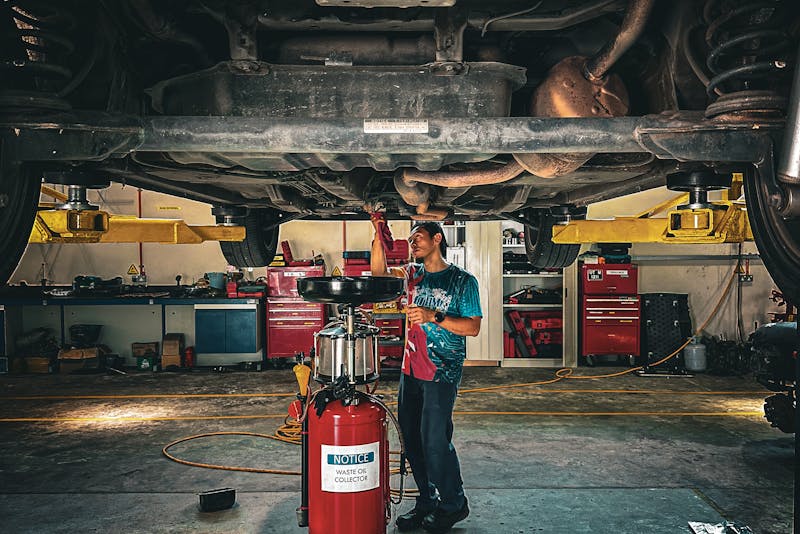
Annual maintenance is the most comprehensive part of your routine. It focuses on long-term wear components, safety systems, and full performance optimization. These checks often coincide with scheduled professional servicing, but understanding what is involved helps you communicate effectively with your mechanic and avoid unnecessary repairs.
This yearly inspection protects your car against major failures and ensures that systems like suspension, exhaust, and steering are functioning at their best. Annual maintenance also prepares your vehicle for the coming year’s driving conditions, whether it involves long road trips, heavy traffic, or challenging weather.
Full Oil and Filter Change
- Replace engine oil
- Install a new oil filter
- Reset maintenance reminders
Tire Rotation and Alignment
- Rotate tires to ensure even wear
- Check wheel alignment
- Balance tires if needed
Uneven wear shortens tire lifespan and affects handling. If you’ve ever wondered how often should you rotate your tires, most manufacturers recommend every 5,000 to 8,000 miles, or roughly every six months. Sticking to this schedule promotes balanced tread wear, improves fuel efficiency, and helps you get the maximum mileage from your tire investment.
Suspension and Steering Inspection
- Inspect shocks and struts
- Check steering response
- Look for unusual vibrations
Exhaust System Check
- Inspect for rust or leaks
- Listen for abnormal sounds
- Ensure emission systems are intact
Checking Your Transmission and Drive Components
Your car’s transmission and drivetrain are critical for smooth acceleration, efficient power delivery, and overall vehicle performance. Ignoring these components can lead to costly repairs or complete transmission failure. Many drivers forget to inspect the transmission until a problem becomes noticeable, such as delayed shifting or strange noises. By checking your transmission regularly, you can identify leaks, fluid deterioration, or other early signs of wear.
Key transmission and drive system checks include:
- Inspecting transmission fluid levels and color; dark or burnt-smelling fluid indicates a problem
- Listening for grinding, slipping, or unusual vibrations during gear shifts
- Checking drive belts and chains for cracks, fraying, or tension issues
- Ensuring CV joints and axles are properly lubricated and free of damage
Regular attention to these systems ensures smoother driving, protects expensive components, and helps maintain overall vehicle reliability.
Monitoring Your Brake Fluid and Hydraulic Systems
Brake systems are the most vital safety feature in any vehicle, and their maintenance should never be overlooked. Over time, brake fluid can absorb moisture, reducing its effectiveness and increasing stopping distance. Similarly, hydraulic components such as calipers, master cylinders, and brake lines can wear out or develop leaks. Performing regular checks ensures that your braking system works efficiently, keeping you and your passengers safe on the road.
Essential brake and hydraulic checks include:
- Checking brake fluid levels and topping up with manufacturer-recommended fluid
- Inspecting for visible leaks around hoses, calipers, and the master cylinder
- Testing brake responsiveness and pedal feel during regular driving
- Replacing brake fluid at intervals recommended in your vehicle’s manual
Maintaining hydraulic systems not only improves safety but also prevents long-term damage that can lead to expensive repairs.
Maintaining Your Car’s Cooling and Heating Systems
A well-functioning cooling and heating system keeps your engine at optimal temperature, prevents overheating, and ensures passenger comfort. Engine cooling systems work constantly to regulate temperature, while the heating system keeps the cabin warm and prevents foggy windows during cold weather. Problems in these systems can lead to engine damage, poor air circulation, or even complete engine failure if left unchecked.
Cooling and heating maintenance tasks include:
- Inspecting the radiator and coolant reservoir for leaks or cracks
- Checking coolant levels and topping up with the correct type
- Testing heater core performance and defrost functionality
- Inspecting hoses and clamps for signs of wear, swelling, or leakage
- Flushing the cooling system periodically to remove sediment and prevent corrosion
Regular maintenance of these systems improves engine efficiency, prevents overheating, and ensures a comfortable driving experience in all seasons.
How to Build a Personalized Maintenance Schedule
Creating a personalized maintenance schedule allows you to adapt the general checklist to your driving habits and vehicle type. Not all cars experience the same wear patterns. For example, vehicles used for long-distance travel may require more frequent oil changes, while city-driven cars often experience faster brake wear due to constant stopping.
A customized schedule also helps you stay organized and proactive. By aligning maintenance with your calendar and mileage, you can avoid forgetting important checks and ensure that your car remains in top condition throughout the year.
Tips for Customization
- Track your mileage monthly
- Adjust schedules based on driving conditions
- Keep a maintenance logbook
- Follow manufacturer recommendations
Common Signs You Should Never Ignore
Recognizing warning signs early can prevent serious mechanical damage. While checklists guide routine care, your car may still show symptoms that need immediate attention. Being alert to these signs helps you respond quickly and avoid costly repairs.
Warning Indicators
- Persistent dashboard warning lights
- Unusual noises from the engine or brakes
- Vibrations while driving
- Reduced fuel efficiency
Benefits of Consistent Maintenance
Consistency is what transforms simple checklists into powerful preventive tools. When maintenance becomes part of your routine, your vehicle performs more efficiently and reliably. Regular inspections improve your confidence on the road and reduce the stress of unexpected repairs.
Long-Term Advantages
- Lower lifetime repair costs
- Improved resale value
- Better fuel economy
- Enhanced safety and reliability
Final Thoughts
Following a structured monthly, quarterly, and annual car maintenance checklist empowers you to take control of your vehicle’s condition. It encourages proactive care, reduces long-term expenses, and ensures that your car remains safe and dependable. By dedicating a small amount of time to regular checks, you protect one of your most valuable daily investments and enjoy smoother, worry-free driving year after year.