
- Following a car maintenance schedule by mileage or time ensures your vehicle remains safe, reliable, and efficient.
- Monthly checks like tire pressure, lights, and fluid levels prevent minor issues from escalating.
- Quarterly tasks such as tire rotation, brake inspections, and battery checks address moderate wear and tear.
- Annual maintenance covers major systems, including oil changes, fluid replacements, and suspension inspections.
- Combining mileage- and time-based schedules is the most effective way to maintain your car.
- Keeping a car maintenance checklist helps track all tasks and prevents overlooked maintenance.
- Proper maintenance reduces costly repairs, extends vehicle lifespan, and ensures smoother driving.
Owning a car comes with the responsibility of regular maintenance to keep it running smoothly and safely. A well-maintained vehicle not only performs better but also reduces costly repairs over time. However, knowing when to service your car can be confusing, as it often depends on mileage, time, or a combination of both. Following a structured maintenance schedule ensures your car remains reliable and extends its lifespan.
This article explores how car owners can maintain their vehicles effectively using mileage- and time-based schedules. We will also provide practical tips, a car maintenance checklist, and insights into why following these schedules is essential.
Why Car Maintenance Matters
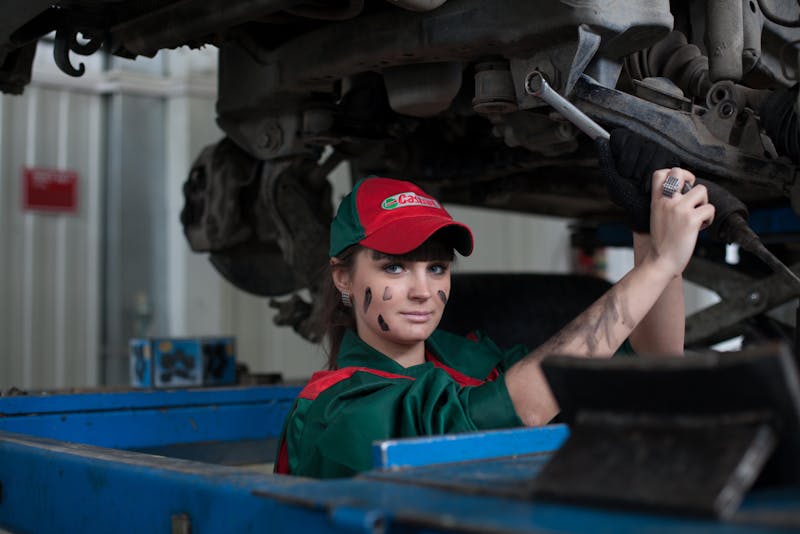
Proper car maintenance goes beyond simply checking the oil or topping up fluids. It ensures the longevity of your vehicle and the safety of everyone inside it. Neglecting maintenance can lead to reduced performance, higher fuel consumption, and expensive repairs in the long run.
Regular service also helps detect small issues before they escalate. For instance, replacing worn-out brake pads early prevents damage to rotors, which can be costly to repair. Similarly, timely oil changes protect the engine from excessive wear, keeping your car running efficiently.
For car owners, adhering to a maintenance schedule is a proactive approach rather than a reactive one. It minimizes breakdowns and keeps insurance premiums lower, as well-maintained vehicles are considered less risky.
Car Maintenance Schedule by Mileage or Time
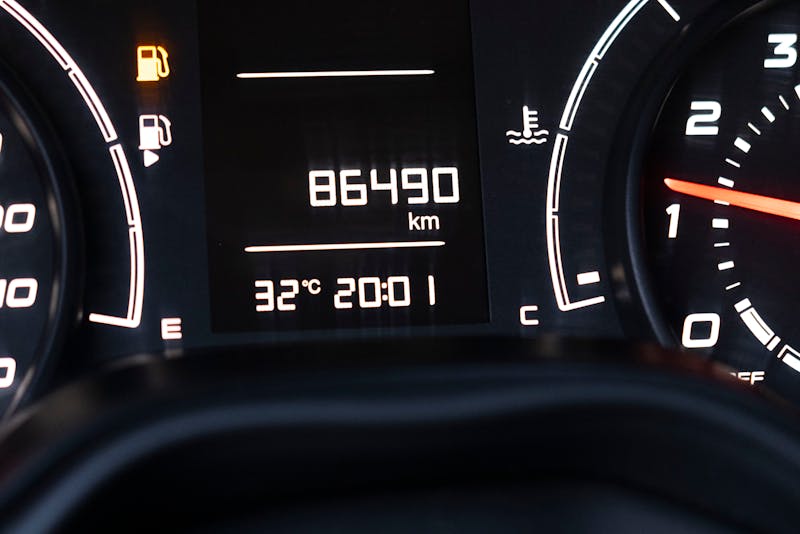
A car maintenance schedule by mileage or time is a roadmap that helps you plan when your vehicle needs servicing. Manufacturers usually provide recommended intervals in your car manual, based on either the distance driven or the time elapsed since the last service.
Mileage-based maintenance focuses on the actual distance your vehicle travels. For example, oil changes are commonly suggested every 5,000 to 7,500 miles, depending on your car model and the type of oil used.
Time-based maintenance, on the other hand, ensures that even if your car is not driven frequently, components do not deteriorate due to age. Fluids like coolant, brake fluid, and windshield washer fluid degrade over time, so replacing them at regular intervals is critical.
Many experts recommend combining both mileage and time-based schedules. This ensures no component is overlooked, whether you are a high-mileage driver or a vehicle owner who drives occasionally.
Monthly Car Maintenance Tasks
Monthly checks help prevent minor issues from turning into expensive problems. These quick inspections save time and money and maintain safety on the road.
- Check tire pressure and tread depth
- Inspect lights and signals for proper function
- Examine windshield wipers and washer fluid
- Check oil and coolant levels
- Listen for unusual engine noises
Monthly maintenance is simple and can often be performed by car owners themselves. A regular monthly review is especially important if your vehicle is frequently driven in city traffic or harsh weather conditions.
Quarterly Car Maintenance Tasks
Quarterly maintenance focuses on components that endure moderate wear and tear. These tasks are often more technical than monthly checks but are vital for long-term reliability.
- Rotate tires to ensure even wear
- Inspect brakes, brake pads, and discs
- Check battery health and clean terminals
- Examine belts and hoses for cracks or leaks
- Test air conditioning and heating systems
Quarterly checks are recommended every 3,000 to 5,000 miles or roughly every three months. They provide an opportunity to address minor issues before they impact your driving experience or vehicle performance.
Annual Car Maintenance Tasks
Annual service is comprehensive and often performed by professionals. It addresses major systems and ensures your car remains roadworthy.
- Replace engine oil and oil filter
- Change the air and cabin filters
- Inspect suspension and steering components
- Flush and replace brake fluid
- Check transmission fluid and perform any necessary service
Annual maintenance is typically aligned with manufacturer recommendations, which may vary depending on your car’s make and model. Following these yearly tasks ensures long-term reliability and may prevent warranty issues.
Creating a Car Maintenance Checklist
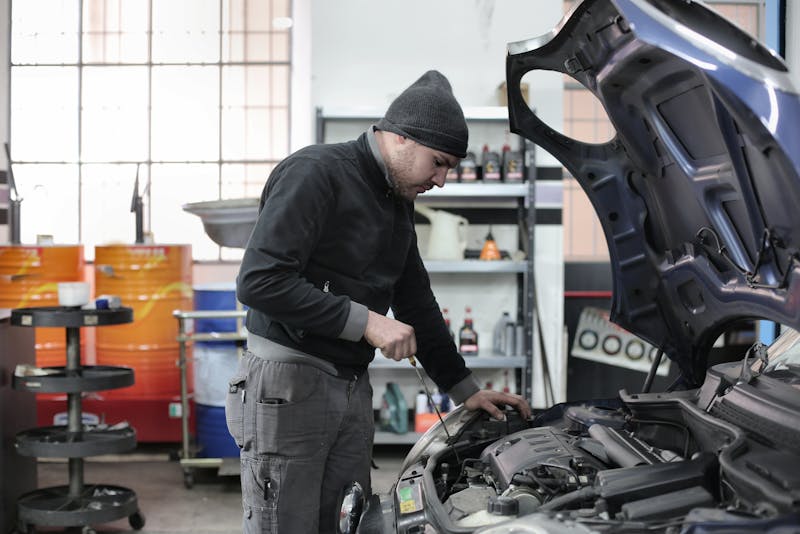
A practical car maintenance checklist can help car owners track tasks by month, quarter, and year. It reduces the likelihood of forgetting essential maintenance and serves as a useful record for resale purposes.
A simple checklist may include:
- Oil change schedule
- Tire rotations
- Brake inspections
- Fluid replacements
- Light and battery checks
Keeping a checklist visible in your garage or digitally on your phone ensures that maintenance becomes a routine rather than an afterthought. It also helps when visiting service centers to discuss upcoming tasks.
Common Questions About Maintenance by Mileage or Time
Q: What if I drive less than the recommended mileage?
Even if you drive infrequently, time-based maintenance is crucial. Fluids degrade over time, and rubber components can dry out and crack.
Q: Can I mix mileage and time schedules?
Yes, the best approach is a combination. Use mileage intervals for high-use components and time intervals for age-sensitive components.
Q: Is professional service always necessary?
Some tasks, like oil changes or tire rotations, can be done at home, but major inspections and fluid replacements are safer when performed by professionals.
Conclusion
Maintaining your vehicle according to a car maintenance schedule by mileage or time is essential for safety, reliability, and long-term savings. By performing monthly, quarterly, and annual checks, car owners can prevent costly repairs and enjoy a smoother driving experience. Keeping a car maintenance checklist ensures that no task is overlooked, whether you drive frequently or occasionally. Ultimately, following these guidelines protects both your vehicle and your peace of mind on the road.