
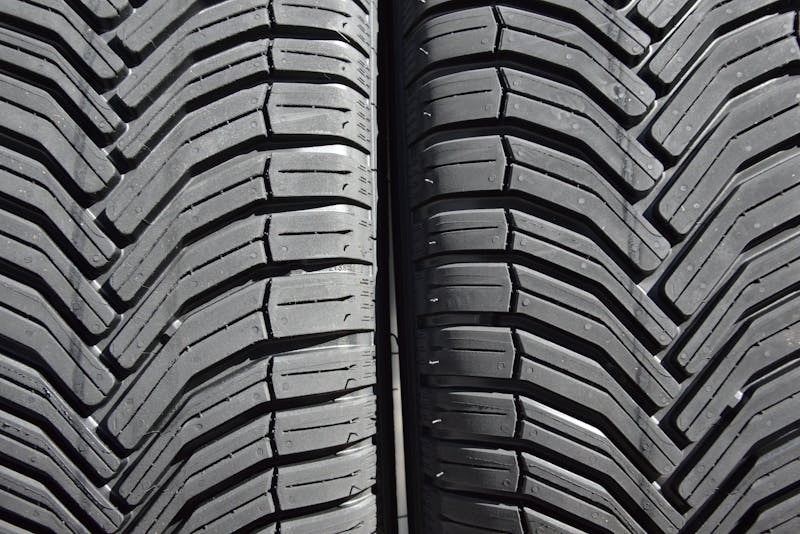

- Tire lifespan depends on multiple factors, not just mileage—vehicle type, tire age, driving conditions, habits, and maintenance all play a critical role.
- Most car tires last between 40,000 and 70,000 miles, but heavier vehicles like SUVs, trucks, and EVs often experience faster wear.
- Tire age matters as much as tread depth, with most manufacturers recommending replacement after 5–6 years, even if the tires look usable.
- City driving, harsh climates, and poor road conditions significantly reduce how long car tires last compared to steady highway driving.
- Aggressive driving habits and neglected maintenance can shorten tire life by up to 30 percent or more.
- Regular tire care—proper inflation, rotation, alignment, and balancing— is the most effective way to maximize tire lifespan and maintain safety.
Car tires are one of the most critical safety components of any vehicle, yet they are also among the most misunderstood. Many car owners rely solely on tread depth or mileage estimates, without realizing that factors such as vehicle type, tire age, driving habits, and environmental conditions all play a major role in determining tire lifespan. Understanding how these variables interact can help you replace tires at the right time—neither too early nor dangerously late.
This guide breaks down how long car tires last by examining real-world factors that affect wear and performance. Whether you drive a compact sedan, a heavy-duty truck, or an SUV, this article will help you make informed decisions that improve safety, fuel efficiency, and long-term value.
How Long Do Car Tires Last on Average?
Before diving into specific variables, it helps to establish a realistic baseline for tire lifespan. Many manufacturers and mechanics cite general numbers, but these averages often lack context. Tire longevity is not fixed—it exists within a range influenced by how and where the tire is used.
On average, most car tires last between 40,000 and 70,000 miles under normal driving conditions. In terms of age, tires are commonly considered safe for five to six years, even if the tread appears usable. However, these figures assume proper maintenance, moderate driving habits, and favorable road conditions.
General lifespan benchmarks
- Mileage-based lifespan: 40,000–70,000 miles
- Age-based lifespan: 5–6 years from the manufacture date
- High-performance tires: 20,000–40,000 miles
- Touring and all-season tires: 60,000 miles or more
These averages are starting points, not guarantees. To truly understand how long your tires will last, you need to look deeper into vehicle type, mileage patterns, tire age, and daily driving conditions.
How Long Do Car Tires Last by Vehicle Type?
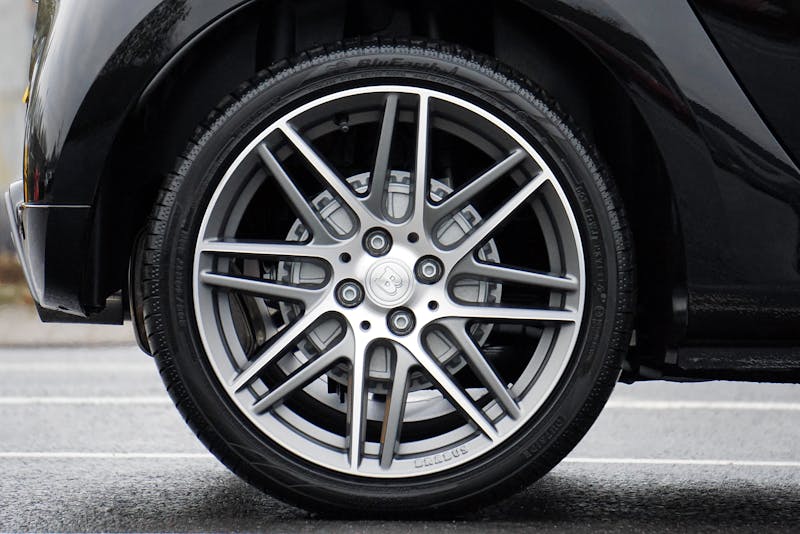
Vehicle type has a direct and measurable impact on tire wear. Differences in weight, drivetrain configuration, suspension design, and torque output all influence how quickly tires degrade. A tire that lasts years on a compact sedan may wear out much faster on a heavier or more powerful vehicle.
Sedans, SUVs, trucks, and electric vehicles all place unique stresses on tires. Understanding these differences allows car owners to set realistic expectations and choose tires designed for their specific vehicle category.
Sedans and compact cars
Sedans and compact cars are generally lighter and easier on tires. Their balanced weight distribution and moderate power output result in slower, more even tread wear. Most tires on sedans can reach the upper end of their mileage rating when properly maintained.
- Average lifespan: 50,000–70,000 miles
- Lower tire replacement frequency
- Better fuel efficiency contributes to even wear
SUVs and crossovers
SUVs and crossovers weigh more and often have higher centers of gravity. This additional mass increases friction, especially during turns and braking. All-wheel-drive systems can further accelerate wear if tires are not rotated regularly.
- Average lifespan: 40,000–60,000 miles
- Increased shoulder and edge wear
- Requires consistent alignment and rotation
Pickup trucks and vans
Trucks and vans are built for hauling and towing, which significantly increases tire stress. Load-bearing demands and stiffer suspension systems often result in faster wear, particularly on rear tires.
- Average lifespan: 30,000–50,000 miles
- Heavy loads reduce tread life
- Commercial use shortens the lifespan further
Electric vehicles (EVs)
Electric vehicles produce instant torque and are heavier due to battery packs. This combination accelerates tread wear, especially during frequent acceleration.
- Average lifespan: 30,000–50,000 miles
- Faster wear despite fewer moving parts
- Specialized EV-rated tires can extend life
How Long Do Car Tires Last by Mileage?
Mileage is the most commonly referenced factor when discussing tire lifespan, but it is often misunderstood. Tire manufacturers provide treadwear ratings that suggest how long a tire could last under controlled testing conditions. Real-world driving rarely matches these conditions.
Mileage-based lifespan depends not only on how far you drive, but also on how you drive those miles. Short city trips, stop-and-go traffic, and frequent braking can wear tires faster than long highway drives.
Typical mileage ranges by tire category
- Performance tires: 20,000–40,000 miles
- All-season tires: 50,000–70,000 miles
- Touring tires: Up to 80,000 miles
- Off-road tires: 40,000–60,000 miles
High-mileage claims assume ideal maintenance. Missing rotations, improper inflation, or misalignment can reduce expected mileage by 20–30 percent. Mileage should be treated as a guideline rather than a guarantee.
How Long Do Car Tires Last by Age?
Even if a tire has plenty of tread remaining, age alone can make it unsafe. Over time, rubber compounds break down due to oxidation, UV exposure, and temperature changes. This process leads to hardening, cracking, and reduced grip.
Most tire manufacturers recommend replacing tires five to six years after the manufacture date, regardless of mileage. Some safety organizations advise a maximum limit of ten years, even for unused tires.
Why tire age matters
- Rubber becomes brittle over time
- Internal structure weakens
- Increased risk of blowouts and tread separation
The manufacture date can be found on the tire’s DOT code. If the last four digits read “3520,” the tire was made in the 35th week of 2020. Age-related degradation is especially common in vehicles driven infrequently.
How Long Do Car Tires Last in Different Driving Conditions?
Driving conditions dramatically influence tire wear. Roads, climate, and driving environment all contribute to how quickly tread is worn down. Two drivers using identical tires can experience vastly different lifespans depending on where and how they drive.
Urban environments typically cause more wear than rural or highway settings. Frequent braking, tight turns, and poor road surfaces accelerate tread loss.
City vs. highway driving
- City driving: Faster wear due to braking and turning
- Highway driving: Slower, more even wear
Climate and weather
- Hot climates accelerate rubber degradation
- Cold climates increase cracking risk
- Wet conditions increase tread wear if traction is poor
Road quality
- Potholes cause alignment damage
- Gravel roads increase abrasion
- Uneven pavement leads to irregular wear
Driving conditions are often overlooked, yet they are among the most influential factors affecting tire longevity.
How Driving Habits Affect Tire Lifespan
Driving behavior is one of the few factors fully within a car owner’s control. Aggressive habits can reduce tire life significantly, even if the vehicle and tires are well-matched. Smooth, predictable driving extends tread life and improves safety.
Hard acceleration, sudden braking, and sharp cornering all increase friction between the tire and road. Over time, this leads to uneven wear patterns that shorten usable life.
Habits that shorten tire life
- Rapid acceleration
- Emergency-style braking
- High-speed cornering
- Overloading the vehicle
Habits that extend tire life
- Gradual acceleration
- Smooth braking
- Maintaining safe speeds
- Respecting load limits
Even small changes in daily driving can add thousands of miles to tire lifespan.
How Maintenance Impacts Tire Longevity
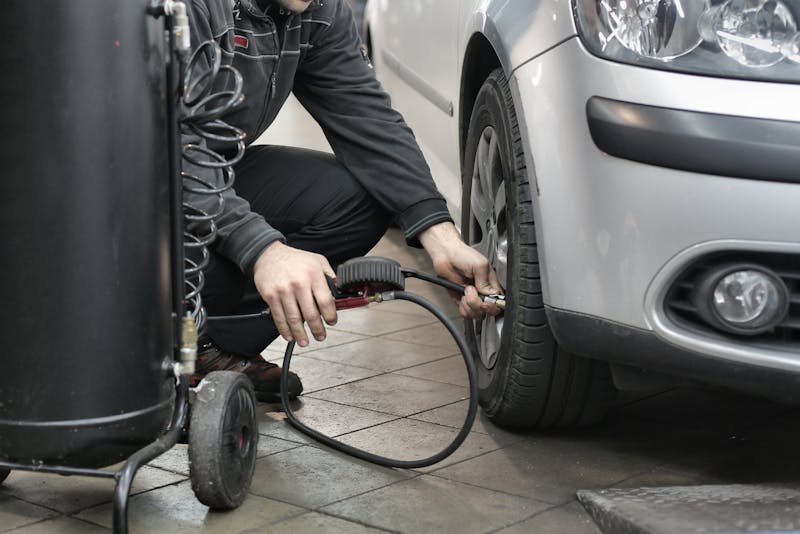
Proper maintenance is essential for maximizing tire life. Many premature tire replacements are caused not by defective tires, but by neglected upkeep. Inflation, rotation, and alignment all play crucial roles in wear distribution.
Ignoring maintenance can reduce tire lifespan by up to 30 percent. Fortunately, most preventive steps are simple and inexpensive.
Key maintenance practices
- Tire pressure checks: Monthly inspections
- Rotation: Every 5,000–7,500 miles
- Wheel alignment: Annually or after impacts
- Balancing: During rotation or vibration
Well-maintained tires not only last longer but also improve fuel efficiency and handling.
How Long Do Car Tires Last Before They Become Unsafe?
Tires do not fail suddenly in most cases—they degrade gradually. However, many drivers miss warning signs that indicate replacement is overdue. Driving on worn or aged tires increases the risk of hydroplaning, blowouts, and loss of control.
Signs that tires are no longer safe
- Tread depth below 2/32 inch
- Visible cracks or bulges
- Uneven or cupped wear
- Frequent pressure loss
Waiting too long to replace tires can compromise braking distance and overall vehicle stability.
How to Maximize the Lifespan of Your Car Tires
While no tire lasts forever, car owners can significantly extend lifespan through informed choices and consistent care. Selecting the right tire for your vehicle and driving style is just as important as maintenance.
Investing in quality tires and treating them properly often costs less in the long run than frequent replacements.
Practical tips for longer-lasting tires
- Choose tires suited to your vehicle type
- Maintain proper inflation
- Rotate and align regularly
- Drive smoothly and predictably
- Store unused tires correctly
By understanding the factors that influence tire wear, car owners can make smarter decisions that improve safety and reduce long-term costs.
Conclusion
Understanding how long car tires last requires more than checking mileage or tread depth. Vehicle type, tire age, driving conditions, habits, and maintenance all play interconnected roles in determining lifespan. While averages provide helpful guidance, real-world tire longevity depends on how well these factors are managed.
By staying informed and proactive, car owners can extend tire life, enhance driving safety, and get the most value from their investment. Tires may seem like a routine expense, but when cared for properly, they deliver reliability mile after mile.