
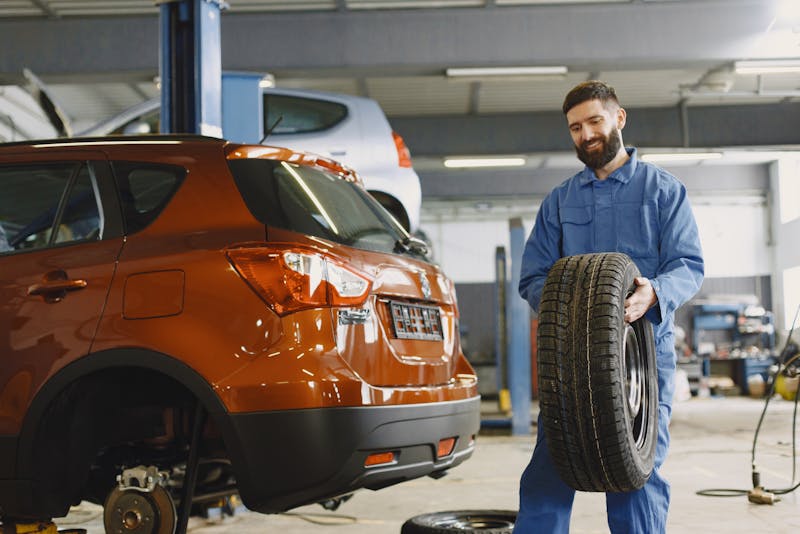

- Most vehicles should have their tires rotated every 5,000 to 8,000 miles to promote even wear and maintain safe handling.
- Regular tire rotation improves road grip, braking performance, and overall driving safety, especially in wet or slippery conditions.
- Drivetrain type, driving habits, road conditions, and tire design all affect how quickly tires wear and how often rotation is needed.
- Uneven tread wear, steering wheel vibration, and increased road noise are clear signs your tires may need rotation sooner.
- Consistent tire rotation helps extend how long tires last, allowing all four tires to wear evenly and last longer.
- Following manufacturer-recommended rotation patterns and checking tire pressure during rotations maximizes tire performance and value.
Tire rotation is one of the simplest yet most overlooked maintenance tasks for car owners. While it may seem minor compared to oil changes or brake inspections, rotating your tires at the right intervals plays a major role in how your vehicle handles, how safe it is on the road, and how much money you spend on replacements over time. Tires wear differently depending on their position, drivetrain, and driving conditions. Without regular rotation, uneven wear can shorten tire lifespan, reduce traction, and increase the risk of blowouts.
This guide explains how often you should rotate your tires, why it matters, and how to recognize when your vehicle needs it.
How Often Should You Rotate Your Tires?
Knowing how often you should rotate your tires helps you balance safety, performance, and long-term savings. For most passenger vehicles, manufacturers recommend rotating tires every 5,000 to 8,000 miles, which conveniently aligns with many oil change schedules. This interval allows wear to stay even across all four tires, preventing one set from deteriorating faster than the others. Ignoring this schedule can lead to reduced grip, poor handling, and earlier replacement than expected.
Mileage alone doesn’t tell the full story when it comes to tire wear. The way power is delivered to your wheels, the kind of tires you use, and how you drive each day all affect how quickly tread breaks down. Vehicles with front-wheel drive usually experience faster wear on the front tires, while rear-wheel and all-wheel-drive systems spread wear in different patterns. For the most reliable rotation schedule, your owner’s manual provides guidance tailored specifically to your vehicle’s design and performance requirements.
Why Tire Rotation Is Essential for Safety
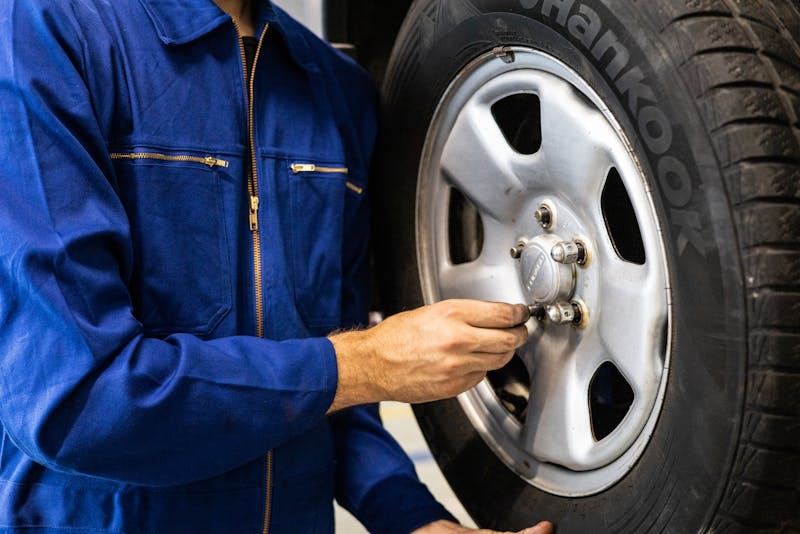
Tire rotation directly impacts how safely your car performs on the road, especially in challenging driving conditions. Unevenly worn tires can reduce traction during braking, cornering, and wet-weather driving. When tread depth varies significantly between tires, your vehicle may feel unstable or harder to control, increasing the likelihood of skidding or hydroplaning.
Regular rotation helps maintain balanced tread depth across all tires, ensuring consistent contact with the road. This consistency supports predictable handling and smoother braking. It also reduces stress on suspension and steering components, which can wear prematurely when tires are uneven. From a safety standpoint, tire rotation is not optional maintenance—it is a proactive step that keeps your vehicle responsive and dependable in everyday driving scenarios.
Factors That Affect Tire Rotation Frequency
Not all vehicles follow the same tire rotation schedule, and understanding the factors that influence frequency helps you make better maintenance decisions. Driving conditions, vehicle design, and tire construction all play a role in how quickly wear develops.
Key factors include:
- Drivetrain type: Front-wheel-drive vehicles typically need more frequent rotation than rear-wheel-drive cars.
- Driving habits: Aggressive acceleration, hard braking, and frequent cornering increase wear.
- Road conditions: Rough roads, potholes, and extreme temperatures accelerate tire deterioration.
- Tire type: Performance and directional tires may require specific rotation patterns or intervals.
Considering these variables ensures your rotation schedule matches real-world usage, not just generic recommendations.
Signs Your Tires Need Rotation Sooner
While mileage guidelines are helpful, visual and performance-based signs often indicate when tires need attention sooner than expected. Ignoring these warning signs can compromise safety and shorten tire lifespan significantly.
Common indicators include:
- Uneven tread depth between front and rear tires
- Vibration felt through the steering wheel
- Increased road noise at normal speeds
- Reduced traction during wet or slippery conditions
If you notice any of these symptoms, it may be time for a rotation even if you have not reached the recommended mileage interval. Addressing the issue early helps restore balance and prevents further uneven wear.
How Tire Rotation Extends Tire Lifespan
One of the biggest benefits of tire rotation is extending how long your tires remain usable. Uneven wear forces you to replace tires earlier, often in pairs rather than as a full set. With consistent rotation, wear patterns stay balanced, allowing all four tires to reach their maximum lifespan together.
Car owners often ask how long tires last, but the answer depends heavily on maintenance habits. Proper rotation can add thousands of miles to your tires, improving return on investment. It also supports better fuel efficiency, as evenly worn tires roll more smoothly and reduce rolling resistance. Over time, these benefits translate into fewer replacements, lower maintenance costs, and improved driving comfort.
Best Practices for Tire Rotation
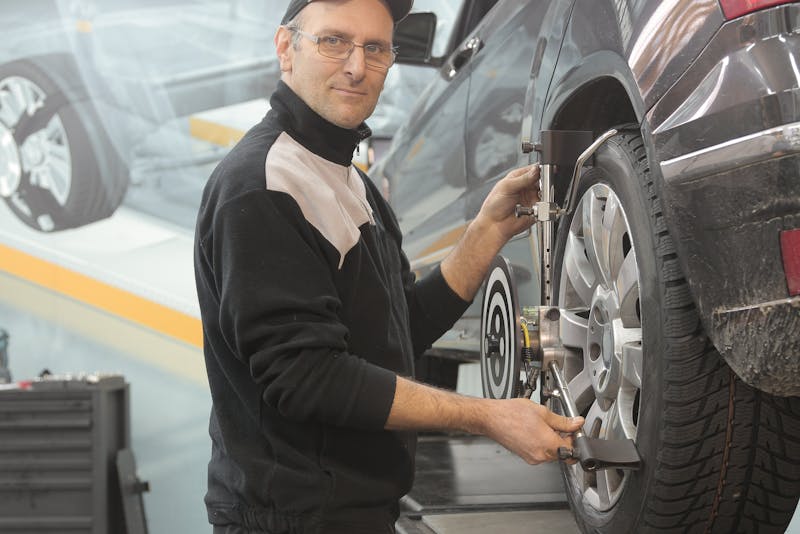
Following best practices ensures tire rotation delivers maximum benefits without unnecessary complications. While some drivers prefer professional service, others choose to rotate tires themselves using proper tools and safety precautions.
Recommended best practices include:
- Follow the rotation pattern specified by your tire manufacturer
- Rotate tires at consistent mileage intervals
- Check tire pressure during every rotation
- Inspect tread depth and sidewalls for damage
Combining rotation with regular alignment and balancing checks further enhances tire performance. These habits help maintain safety standards while protecting your investment in quality tires.
Conclusion
Rotating your tires at the right intervals is a simple yet powerful way to protect both your vehicle and your safety on the road. By following a consistent rotation schedule, paying attention to driving conditions, and responding early to signs of uneven wear, car owners can significantly improve handling, traction, and overall driving comfort. Tire rotation also plays a major role in extending tire lifespan, helping you get the most value from your investment while avoiding premature replacements. When combined with proper inflation, alignment checks, and regular inspections, tire rotation becomes an essential habit that supports safer driving and long-term savings. Making it part of your routine maintenance ensures your tires perform reliably mile after mile.